Who Actually Decides to Buy? Understanding the Decision-Making Unit (DMU)
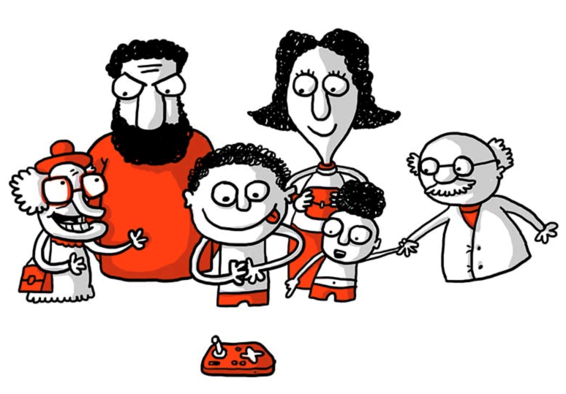
Credit: Martin Trust Centre for MIT Entrepreneurship
You've built something great. But here's the uncomfortable truth: the person who loves your product might not be the one who pays for it.
The Myth of the Single Buyer
When you're starting out, it's tempting to think selling is simple: find someone who needs your product, show them it works, and they'll buy it.
But that's rarely how it works.
Think about it: when was the last time you made a significant purchase completely alone? No research, no asking friends, no checking with someone who controls the budget?
Even buying a new phone involves reading reviews (influencers), checking your bank account (economic buyer), and maybe asking a tech-savvy friend (advisor). And that's just a personal purchase.
Now imagine selling to a company. Or a family. Or a school.
This is where the Decision-Making Unit comes in – and understanding it might be the difference between a deal that closes and one that mysteriously dies.
What Is a Decision-Making Unit (DMU)?
A DMU is simply this: all the people who influence whether someone buys your product.
It's not one person. It's a cast of characters – each with their own motivations, concerns, and power to say yes, no, or "let me think about it."
The DMU concept forces you to stop thinking about "the customer" as a single entity and start mapping the real humans involved in any purchase decision.
Key insight: You're not selling to a company or a household. You're selling to a group of people with different priorities – and you need to understand each of them.
The 5 Roles in Every DMU
Let's break down who's actually in the room (literally or figuratively) when a buying decision gets made.
1. The Champion
Who they are: The person who wants your product to win. They're your internal advocate – the one who brings your name up in meetings, pushes for budget approval, and fights for you when you're not there.
Why they matter: Without a Champion, you're selling uphill. They're the engine that drives the decision forward.
How to spot them: They ask detailed questions. They want to know how to justify the purchase internally. They're already imagining using your product.
Your job: Make them look good. Give them the language, data, and materials they need to sell on your behalf.
2. The End User
Who they are: The person who will actually use your product day-to-day. They'll feel the pain if it doesn't work – and the relief if it does.
Why they matter: If end users hate your product, it won't matter that someone signed the cheque. Adoption fails. Renewals don't happen. Word spreads.
How to spot them: They ask practical questions: "How does this actually work?" "Will it integrate with what I already use?" "How long will it take to learn?"
Your job: Understand their daily reality. Show them their life gets easier, not harder.
3. The Economic Buyer
Who they are: The person who controls the budget. They have the authority to say "yes, we'll spend this money."
Why they matter: No budget approval = no sale. Simple as that.
How to spot them: They ask about price, ROI, payment terms, and what happens if it doesn't work out. They're thinking in spreadsheets.
Your job: Speak their language. Quantify the value. Show them the return – in time saved, money made, or risk reduced.
4. The Influencers
Who they are: People whose opinions matter in the decision, even if they don't have direct authority. This could be a technical expert, a trusted advisor, a team lead, or even an external consultant.
Why they matter: A single negative comment from a respected influencer can kill a deal. A positive one can accelerate it.
How to spot them: Others defer to them. Their name comes up: "We should check with Sarah on this." "Let me run it by our IT team."
Your job: Don't ignore them. Identify them early and address their concerns directly.
5. The Person with Veto Power
Who they are: Someone who can block the purchase entirely – even if everyone else is on board. This might be legal, compliance, IT security, procurement, or a regulatory body.
Why they matter: They can appear late in the process and stop everything. Often, their concerns aren't about whether your product is good – it's about risk, policy, or process.
How to spot them: They ask questions about security, compliance, contracts, and what could go wrong.
Your job: Anticipate them. Know the objections before they raise them. Have documentation ready.
Putting It Together: Real Examples
B2B Example: Selling Project Management Software to a Company
Let's say you've built a project management tool and you're pitching it to a mid-sized marketing agency. Here's what your DMU might look like:
The Champion → A project manager frustrated with the current system What they care about: "This will make my life so much easier. I need to convince my boss."
The End User → The whole project team (designers, writers, account managers) What they care about: "Is this easy to use? Will it add to my workload or reduce it?"
The Economic Buyer → The Operations Director or CFO What they care about: "What's the ROI? How does pricing scale as we grow?"
The Influencer → The IT lead or a senior account director What they care about: "Is it secure? Does it integrate with Slack and our existing tools?"
The Veto Power → IT security or the procurement team What they care about: "Does it meet our data policies? Is the contract acceptable?"
The mistake: Focusing only on the project manager (Champion) and ignoring the CFO (Economic Buyer) or IT (Veto Power).
The win: Equip your Champion with an ROI calculator for the CFO and a security whitepaper for IT.
B2C Example: Selling an Educational App for Kids
Now imagine you've built a maths learning app for children aged 8-12. Yes, even consumer products have a DMU:
The Champion → The child who tried the app and loves it, or an older sibling What they care about: "This is actually fun! Can we get it, please?"
The End User → The child What they care about: "Is it fun? Do my friends use it? Will I feel smart using it?"
The Economic Buyer → The parent managing the household budget What they care about: "Is it worth £9.99/month? Will they actually use it after the first week?"
The Influencer → A teacher, another parent, or online reviews What they care about: "I heard this really helped with times tables. Other parents recommend it."
The Veto Power → The parent (again) – but now wearing their "protector" hat What they care about: "Is this safe? What data do you collect? How much screen time does it encourage?"
The mistake: Marketing only to children (End Users) with fun animations, but giving parents (Economic Buyer + Veto) no reason to trust you.
The win: Build for kids, but communicate to parents – with testimonials from teachers, clear privacy policies, and visible learning outcomes.
How to Map Your Own DMU
Here's a simple exercise you can do right now:
Step 1: Pick a Recent Customer (or Target) Think about someone who bought – or almost bought – your product.
Step 2: List Every Person Involved Who did you talk to? Who did they mention? Who had to approve anything?
Step 3: Assign Roles For each person, ask:
Are they the Champion? (Do they want this to happen?)
Are they the End User? (Will they use it daily?)
Are they the Economic Buyer? (Do they control budget?)
Are they an Influencer? (Does their opinion sway others?)
Do they have Veto Power? (Can they block it?)
Step 4: Identify Gaps Who are you not talking to that you should be?
Step 5: Tailor Your Message Create different versions of your pitch for each role. The Champion needs ammunition. The Economic Buyer needs ROI. The Veto Power holder needs reassurance.
Common Mistakes Founders Make
Talking Only to the Champion Your Champion loves you. That feels good. But they might not have budget authority. Don't confuse enthusiasm with a closed deal.
Ignoring the Veto Legal, IT, compliance – they're not exciting to pitch to. But ignoring them means you'll get a "no" at the final hurdle.
Assuming B2C Is Simpler "It's just one person buying!" – No. Even a £20 purchase might involve a partner, a review site, and a friend's recommendation.
Not Asking Who Else Is Involved The simplest question you can ask: "Who else will be part of this decision?" You'll be amazed what people tell you.
The DMU Changes Everything About How You Sell
Once you understand the DMU, you stop doing this:
"Here's why our product is great!"
And start doing this:
"Here's why you should care – and here's what to tell your boss, your IT team, and your end users."
You're not just selling a product. You're equipping a Champion to win an internal battle on your behalf.
Your Action Step
Before your next sales conversation, ask yourself:
1. Who is my Champion? How can I make them look good?
2. Who is the Economic Buyer? What ROI do they need to see?
3. Who could veto this? What objection might they raise – and how do I answer it before they ask?
Map the DMU. Understand the humans. Win the deal.
This article is part of Gate 4: How Does Your Customer Acquire your Product in the Entreprenerds 10 Gates framework. Want to dive deeper into building a real sales process? Explore Gate 4